GPT Image 2

OpenAI's native GPT Image 2 model for complex prompt following, multilingual typography, posters, infographics, and multi-reference editing

4K HDPerfect prompt followingSupports every styleNatural text-image fusionStronger multilingual type
0 / 32000

GPT Image 2 AI Image Generator - OpenAI-native gpt-image-2 model | Posters, infographics, UI, packaging, and multilingual layouts

GPT Image 2 (gpt-image-2) is Pilio's credit-based image generation entry point for testing OpenAI-native image quality, including multilingual typography, complex prompt following, posters, packaging, infographics, UI mockups, comic storyboards, and reference-image edits. Describe the final asset type, layout constraints, and visible text, then generate a structured result close to delivery quality.

“Design a 21:9 European Gothic mystery movie poster.”

Why GPT Image 2 is worth using

“A museum-grade calligraphy excerpt inspired by Wang Xizhi's Lantingji Xu...”

Complex typography and text rendering

The industry's most accurate image-text engine. Render multi-line headlines, dense body copy, product labels, ingredient panels, UI strings, and calligraphic scripts across 48+ languages, including Chinese, Japanese, Korean, Arabic, Hebrew, and Cyrillic. From a single-word logo to a full newspaper spread, the text stays sharp, correctly spelled, and evenly spaced. 48+ languages · dense text · calligraphy · logo · newspaper layouts

“A 16:9 Japanese art-house romance movie poster titled 「最後の切符 / Saigo no...”

Unmatched prompt following

Topping Image Arena was not an accident. GPT Image 2 reliably executes complex, multi-constraint prompts covering spatial placement ("put the cup to the left of the laptop"), lighting conditions ("golden hour, side light, long shadow"), mood, camera angle, lens simulation, and blended styles. If you can describe it, the model can usually render it. Image Arena leader · multi-constraint prompts · camera simulation · style blending

“A 16:9 anime character design sheet titled "ADELE".”

Full-spectrum visual design

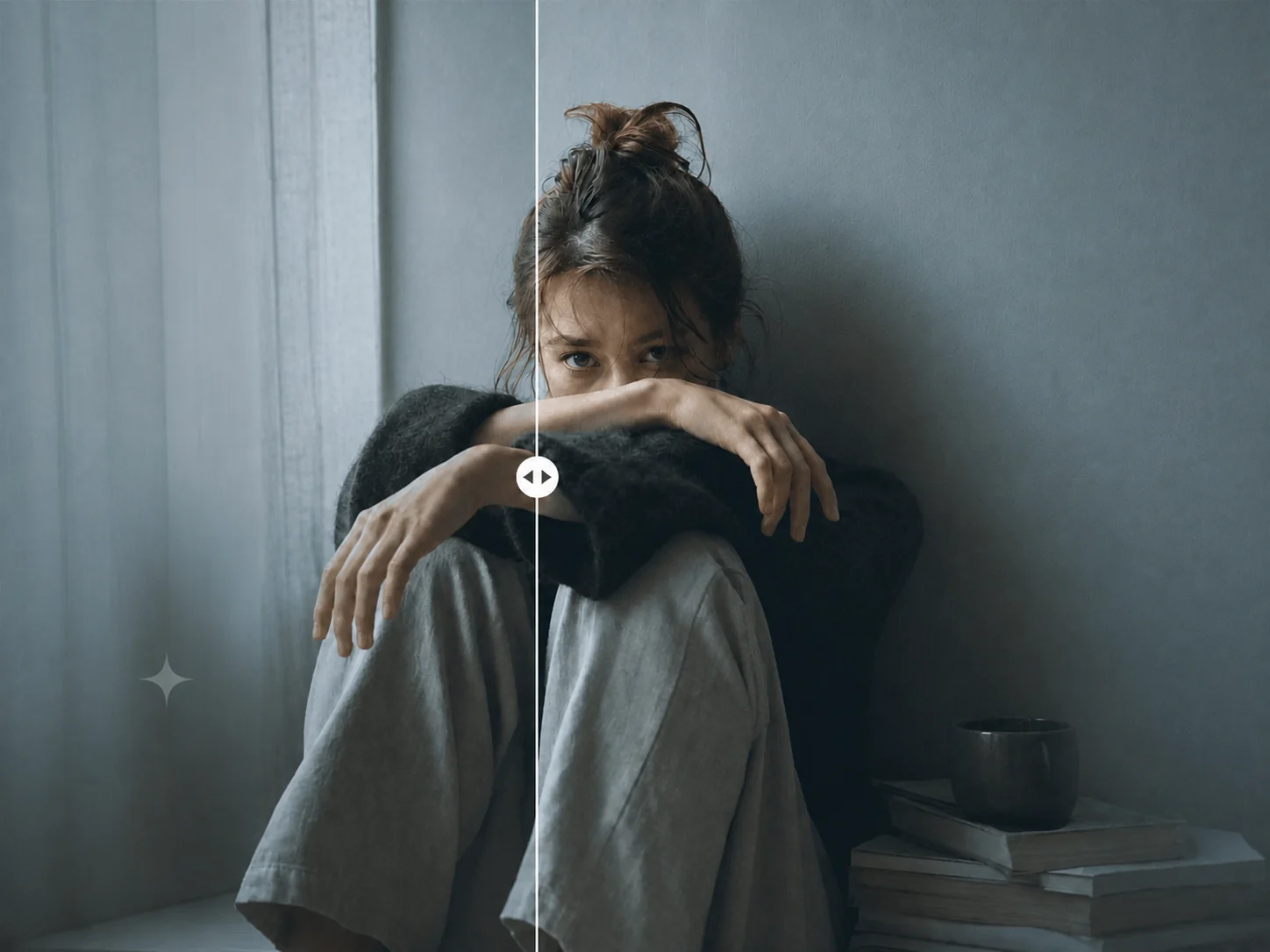
One model, every style. Pore-level photoreal portraits. Clean brand-ready flat vector illustration. Watercolor, oil painting, ink wash, pixel art, isometric 3D, low-poly, vaporwave, anime, manga — switch styles with one prompt. No fine-tuning, no LoRA, no style preset required. Photoreal · vector · watercolor · 3D · anime · pixel art · 30+ styles

“A Japanese department-store-style product lookbook poster with four flor...”

Professional graphic and UI design

Generate ready-to-use design assets in one pass: complex multi-layer marketing posters, app UI mockups with functional layout, style-consistent icon sets, packaging with barcodes and fine print, business cards, presentation slides, data-visualization infographics, and wireframes. Poster design · UI mockups · icon sets · packaging · infographics

GPT Image 2 vs Nano Banana 2

Both models are strong, but they are strongest at different jobs.

GPT Image 2

On-image text
Newspapers, posters, UI, formulas — ready to print
Grids / alphabets
100-cell object grids and A-Z animal charts follow the rules strictly
Infographics / research
Thinks first, fact-checks on the web, then renders
Character consistency
Multi-reference images + mask, stable across 10-panel storyboards
Portraits / materials
Add "photorealism" and material quality improves sharply
Style cloning
Tends to drift away from the original style
Size and aspect ratio
7 presets + custom any size

Nano Banana 2

On-image text
Often prettier, but long text fails more easily
Grids / alphabets
Sometimes skips cells or merges entries
Infographics / research
Visually pleasing, but the facts aren't always reliable
Character consistency
Up to 14 reference images — more flexible composition
Portraits / materials
Looks more like a real photograph by default
Style cloning
Swaps the subject, keeps the original brush strokes
Size and aspect ratio
14 presets, including 1:8 and 8:1

Choose GPT Image 2 (gpt-image-2) for on-image text, multilingual layouts, infographics, posters, packaging, and comic pages. Choose Nano Banana 2 for style exploration, realism, and fast direction-finding. Compared with GPT Image 1 (gpt-image-1), GPT Image 2 pushes further on multi-constraint prompting, long-layout composition, and 48+ language typography.

Model specifications

Technical parameters for developers and power users.

Model

GPT Image 2

OpenAI's most capable autoregressive multimodal image model (2026).

Max resolution

4K (longest edge 3840)

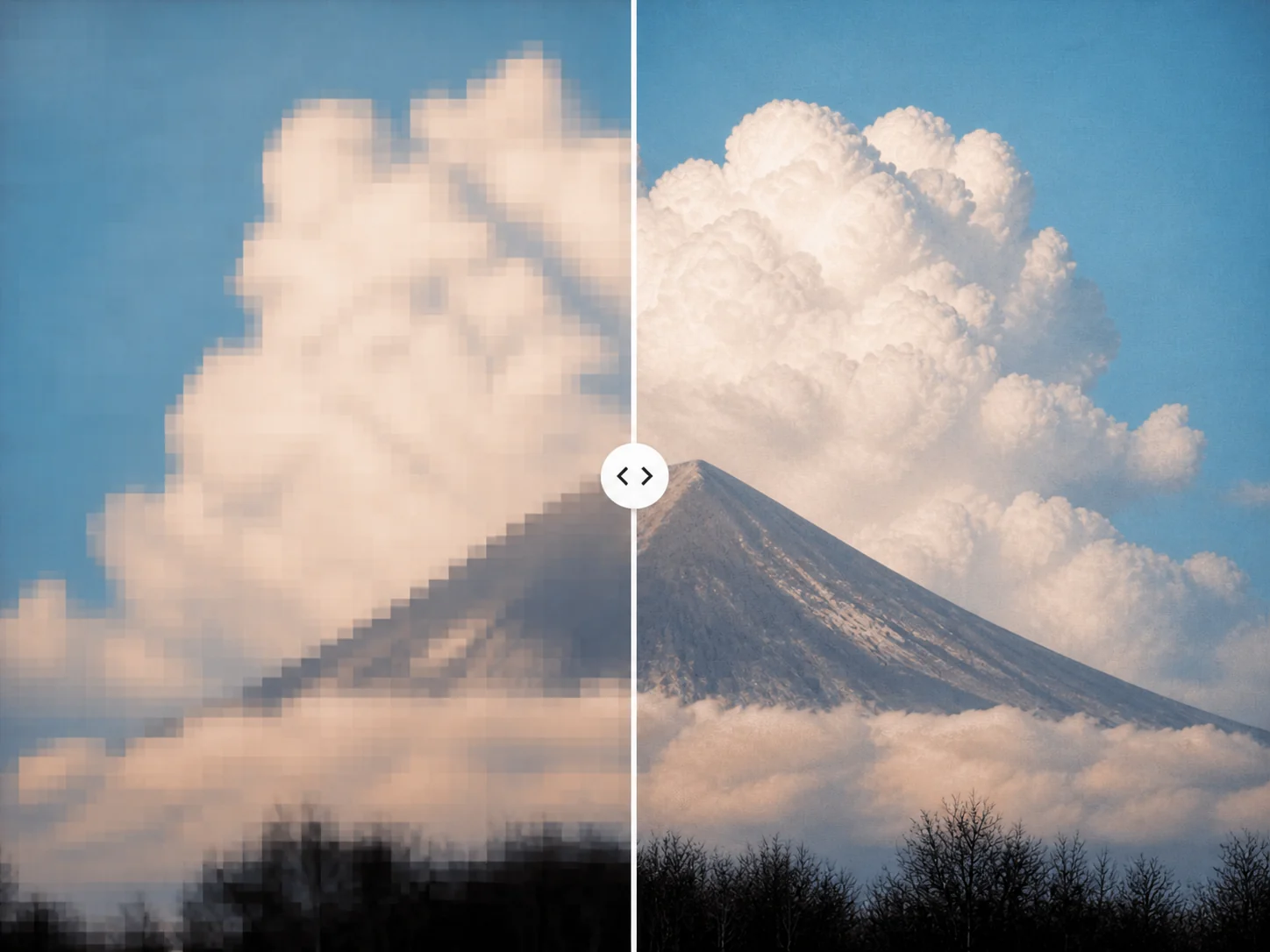
Native output from 1K to 4K (longest edge ≤3840, total pixels ≤8.29M / 8,294,400).

Aspect ratio

7 presets + Custom

1:1 · 3:2 · 2:3 · 16:9 · 9:16 · 4:3 · 21:9; custom sizes supported (max side ratio ≤3:1).

Generation time

10s – 60s

Complex prompts can take up to around 2 minutes, depending on resolution and thinking budget.

Output format

WebP

Delivered as WebP by default for the best quality-to-size ratio.

Text languages

48+ languages

Supports CJK, Arabic, Hebrew, Cyrillic, Latin and more.

Edit mode

Multi-reference + mask inpainting

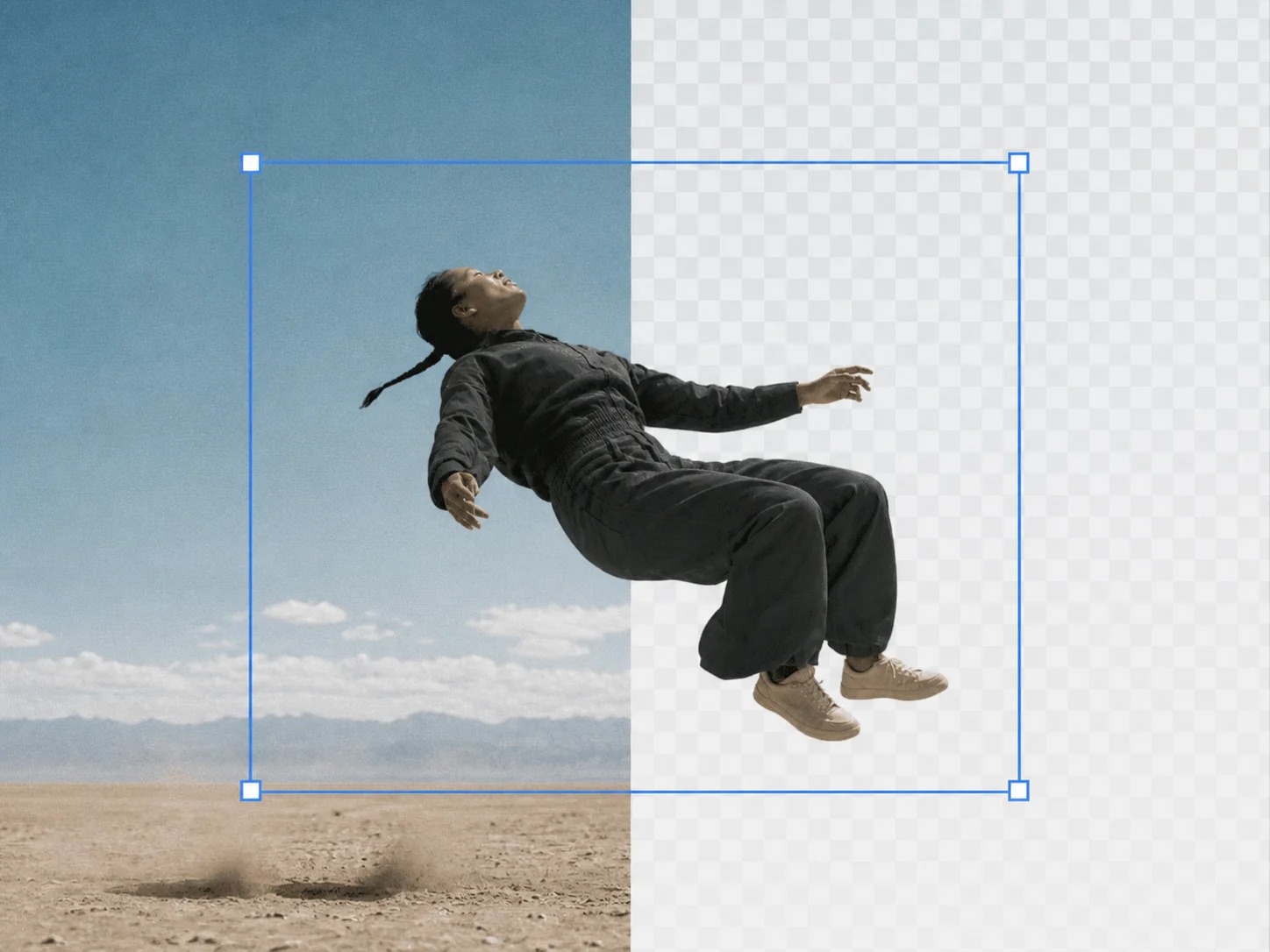
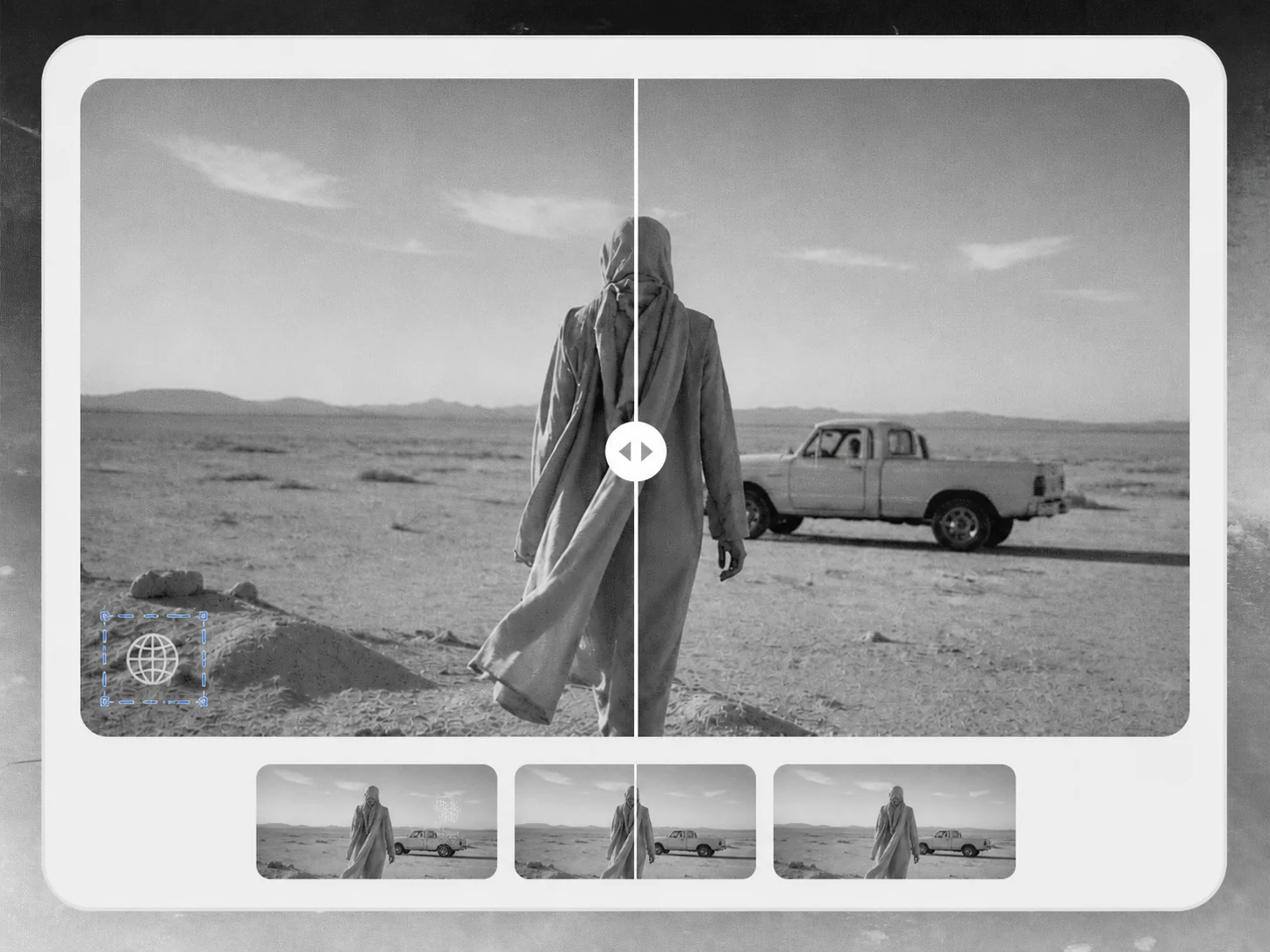
Powered by OpenAI's Image edits API: upload one or more reference images with an optional transparent mask for local inpainting.

Quality tier

low · medium · high

OpenAI's official three quality tiers, ranging from fast drafts to delivery-grade output.

Custom size

Up to 3840 px longest edge

Supports custom width and height in 16 px steps, with the longest edge up to 3840 and a max aspect ratio of 3:1, which fits posters and social-media layouts.

GPT Image 2 FAQ

How is GPT Image 2 billed?
GPT Image 2 runs in credit-based mode on Pilio. It is useful for testing prompts, layouts, text rendering, and reference edits, while keeping production and client work on the same paid generation path.
What is GPT Image 2? Is it the same model behind image generation in ChatGPT?
GPT Image 2 (gpt-image-2) is OpenAI's next-generation native image model, released in April 2026, and the engine behind the new ChatGPT image generator. It directly inherits OpenAI's prompt understanding and instruction-following strengths, and is built for top-tier multi-constraint reasoning, multilingual on-image typography, and long-form design delivery.
How is GPT Image 2 different from GPT Image 1?
Compared with GPT Image 1 (gpt-image-1), GPT Image 2 (gpt-image-2) is much stronger at multi-constraint prompt following, 48+ language text rendering, photoreal materials and lighting, and long-form layouts such as posters, packaging, comic pages, and editorial spreads. In many professional design scenarios, it can deliver a finished result in one pass instead of repeated iteration.
Which resolutions, aspect ratios, and output formats are supported? 4K / transparent background?
It supports native output from 1K to 4K (longest side ≤3840, total pixels ≤8.29M) with 7 preset ratios (1:1, 3:2, 2:3, 16:9, 9:16, 4:3, 21:9) plus custom sizes. Output is delivered as WebP. Note: GPT Image 2 does not currently support transparent backgrounds — if you need them, use a background remover / image editor downstream.
How should I choose between GPT Image 2, DALL-E 3, Midjourney, and Nano Banana 2?
Choose GPT Image 2 for precise typography, multilingual posters, packaging, and comic pages. Choose Midjourney for looser artistic exploration or photoreal styling experiments. Choose Nano Banana 2 for multi-reference composition, web-assisted image search, and rapid iterative exploration. DALL-E 3 is OpenAI's previous ChatGPT image model and has already been superseded by the GPT Image series.
How does text rendering compare to Midjourney, Ideogram, and FLUX?
GPT Image 2 supports 48+ languages and can accurately render multi-line headlines, dense paragraphs, logos, and calligraphic text. Kerning, spelling, and layout are stronger than Midjourney, Ideogram, and FLUX, which makes it a better fit for design work that depends on high-quality typography.
Can it handle graphic design, UI design, comic storyboards, and photorealistic portraits?
Yes. GPT Image 2 is strong at print ads, packaging, UI mockups, comic storyboards, photoreal portraits, and product rendering. It supports complex layouts and multilingual mixed typography, which makes it suitable for professional design workflows.
How well does it follow prompts? Does it support mixed-language typesetting?
Yes. GPT Image 2 has very strong prompt understanding and can faithfully reproduce detailed descriptions and fine-grained requirements. Mixed-language typesetting is supported, so it works well for international branding, education, and multi-market campaigns.
How do reference images work? Can it compose from multiple references?
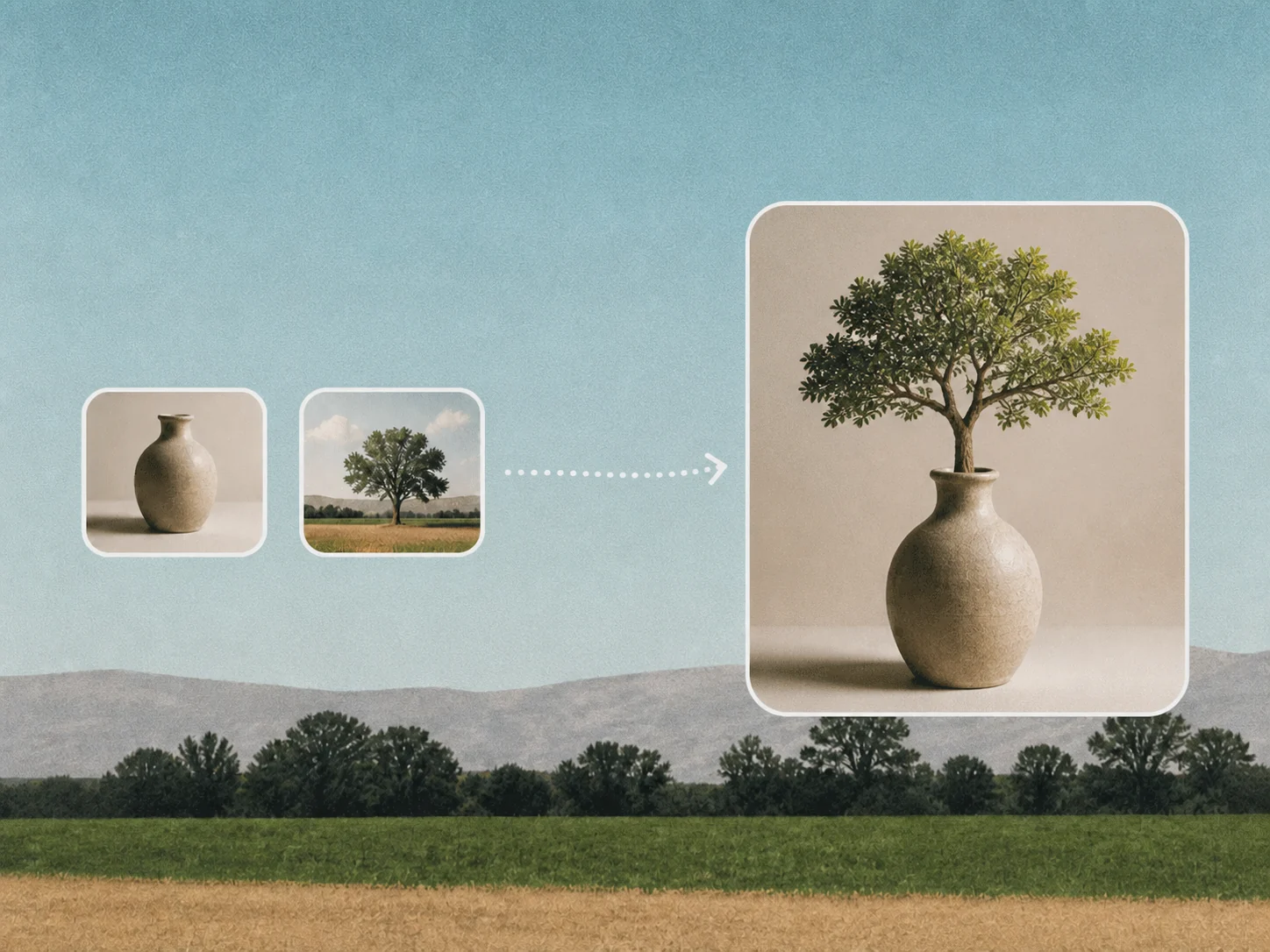
Each run supports multiple reference images. Upload clear, focused images and describe exactly what each reference should preserve or influence, then state what you want to change in the prompt.
How fast is it, and how is it billed?
Most prompts finish within 10-60 seconds; complex prompts can take up to about 2 minutes. New accounts get free credits, and billing is charged per generated image with flexible packs for both individuals and teams.
Can I use the images commercially? Do they contain watermarks?
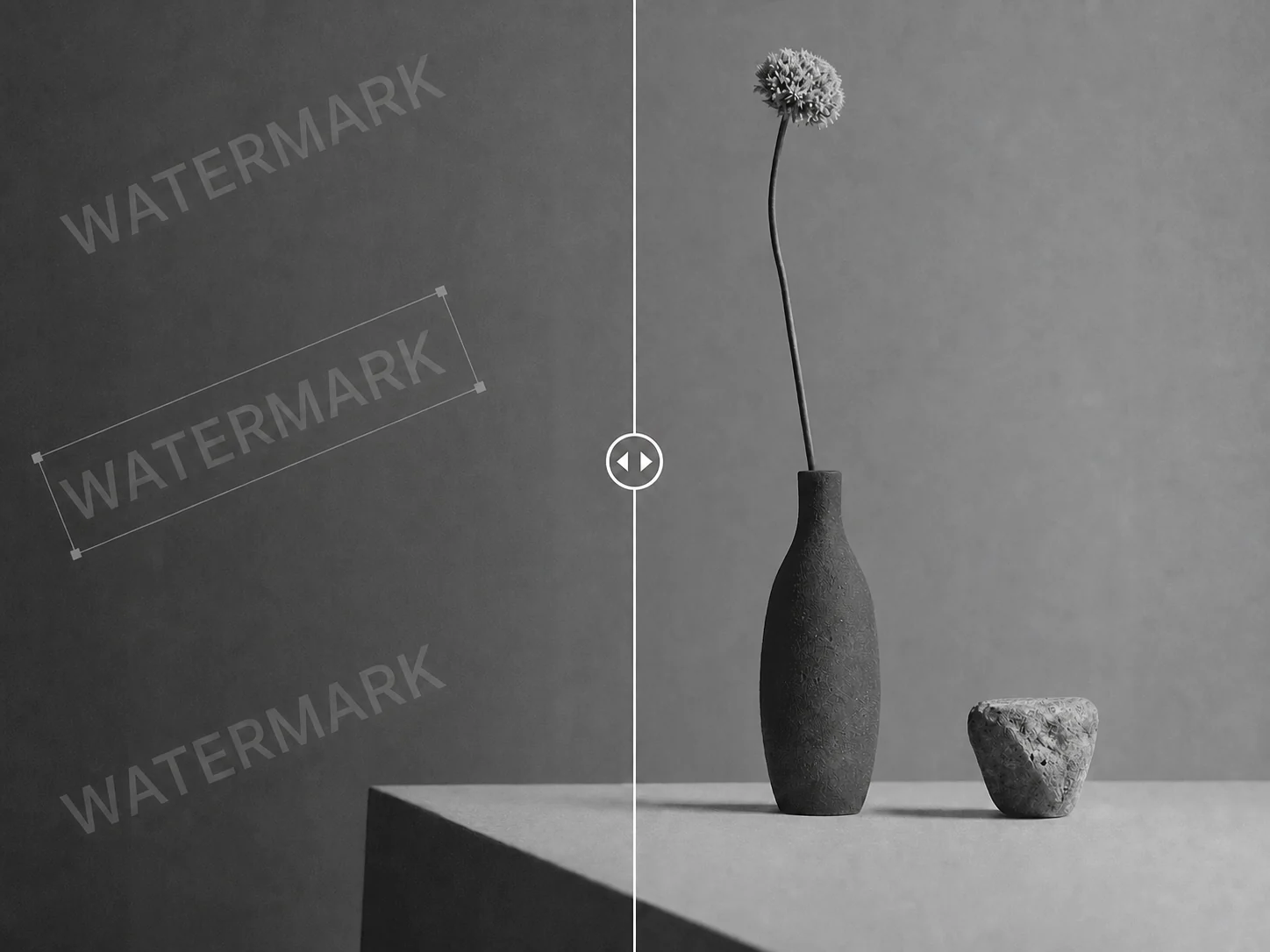
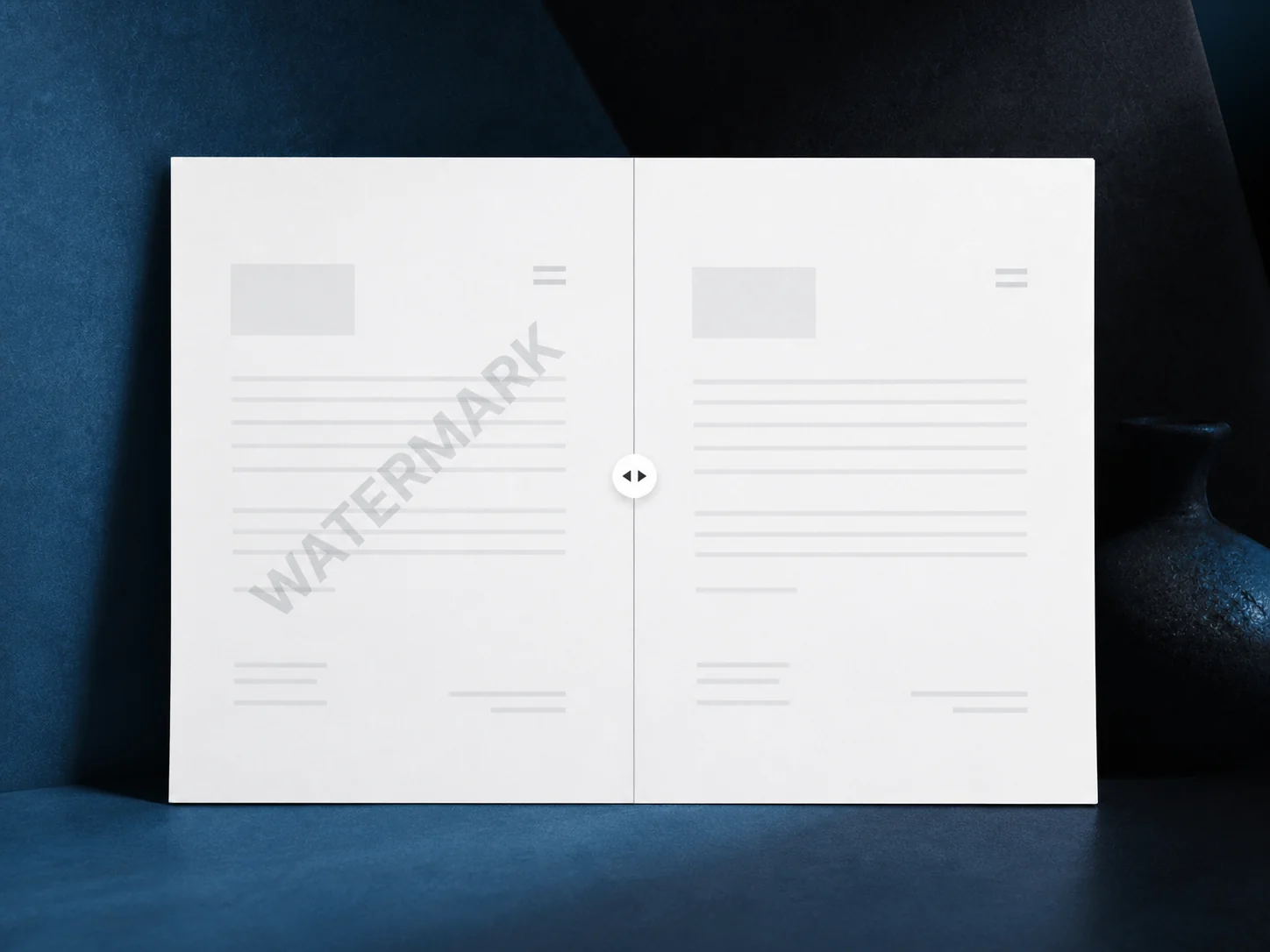
Yes. Images can be used commercially. Outputs have no visible watermark, although OpenAI may embed invisible provenance signals that do not affect the visible result.